
Kalamazoo offers some of Southwest Michigan’s best opportunities for hiking, with scenic nature preserves, wooded trails, and peaceful recreation areas just minutes from town. Whether you enjoy a short afternoon walk or a full day on the trails, healthy feet are essential for making every hike enjoyable.
While hiking in Kalamazoo, MI is a great way to stay active, uneven terrain and long hours on your feet can increase your risk of injury. Knowing how to prepare and recognizing common foot problems can help you stay comfortable and keep exploring.
Why Hiking Is So Popular in Kalamazoo
The Kalamazoo area is home to a variety of hiking trails that appeal to beginners and experienced outdoor enthusiasts alike.
Kleinstuck Preserve
Known for its peaceful wooded setting and birdwatching opportunities, Kleinstuck Preserve features natural trails with exposed tree roots and uneven ground that require careful footing.
Asylum Lake Preserve
One of the area’s most popular hiking destinations, Asylum Lake Preserve offers a mix of maintained paths and natural surfaces, making it ideal for walking, hiking, and enjoying local wildlife.
Al Sabo Preserve
Al Sabo Preserve features an extensive network of trails with rolling terrain, making it a favorite for hikers and trail runners looking for longer routes and varied landscapes.
Fort Custer Recreation Area
Fort Custer offers more challenging hiking opportunities with multi-use trails, changing elevations, and diverse terrain that can place additional demands on your feet and ankles.
Yankee Springs Recreation Area
Located a short drive from Kalamazoo, Yankee Springs Recreation Area provides longer hiking adventures for those looking to explore even more of Southwest Michigan’s natural beauty.
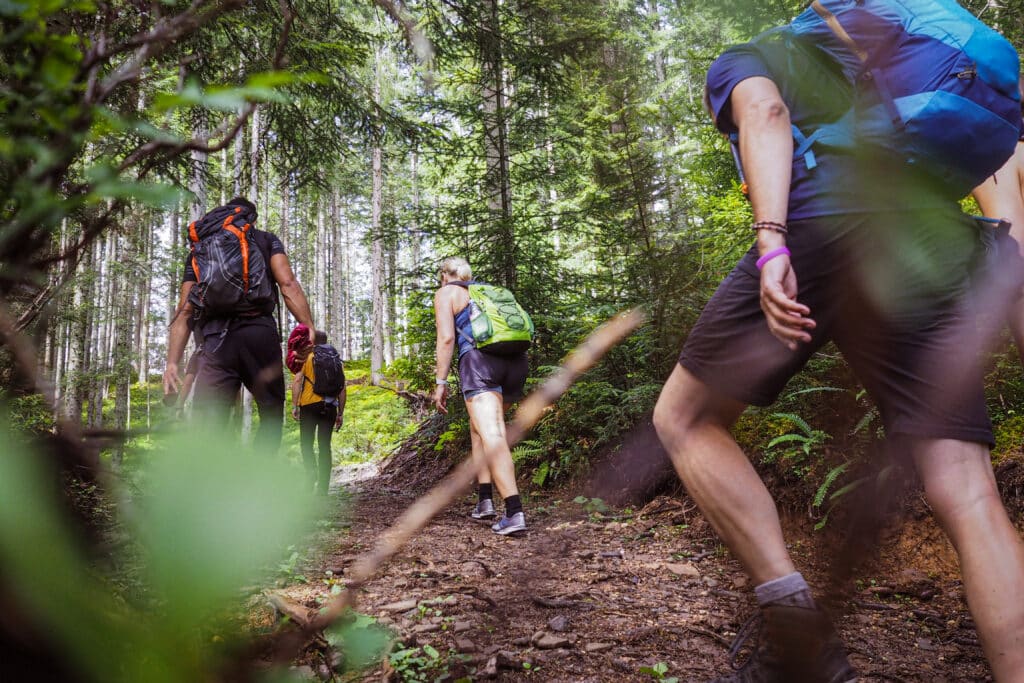
Why Hiking Can Be Tough on Your Feet
Unlike walking on sidewalks, hiking requires your feet and ankles to constantly adapt to uneven terrain, hills, rocks, and changing surfaces. Longer hikes also involve extended weight-bearing activity and repetitive impact, increasing stress on muscles, tendons, and joints.
Even healthy feet can develop pain or injuries without proper preparation and supportive footwear.
Common Foot and Ankle Problems Hikers Experience
Blisters
Blisters are one of the most common hiking injuries. They develop from friction, moisture, and poorly fitting shoes. Moisture-wicking socks, properly fitted footwear, and addressing hot spots early can help prevent painful hiking blisters.
Plantar Fasciitis
The repetitive impact of hiking may strain the plantar fascia, leading to heel pain after hiking. Many people notice their discomfort is worse during the first few steps in the morning.
Achilles Tendinitis
Long climbs, steep hills, and tight calf muscles can overload the Achilles tendon, causing pain and stiffness that worsens during or after hiking.
Ankle Sprains
Tree roots, rocks, loose gravel, and uneven trails increase the risk of a hiking ankle sprain. Even a small misstep can stretch or tear the supporting ligaments.
Stress Fractures
Rapidly increasing hiking distance, frequent long hikes, or backpacking trips may lead to stress fracture hiking injuries that often begin as mild pain before becoming more severe.
Ingrown Toenails and Toenail Trauma
Downhill hiking and tight footwear can force the toes against the front of the shoe, leading to bruised toenails, toenail injuries, or painful ingrown toenails.
Choosing the Right Hiking Footwear
Proper footwear is one of the best ways to prevent hiking foot pain. Shoes should fit comfortably with enough room in the toe box while providing good arch support.
Hiking shoes are often lighter and suitable for well-maintained trails, while hiking boots offer additional ankle support for rougher terrain. Trail runners may be a good option for experienced hikers on less technical trails. Whatever style you choose, always break in new footwear before attempting longer hikes.
Don’t Overlook Your Socks
Many hikers focus on their shoes but overlook the importance of quality socks. Moisture-wicking materials help reduce friction and keep feet dry, lowering the risk of blisters. Cotton socks tend to retain moisture and are generally not recommended for hiking. Adjust sock thickness based on seasonal temperatures and trail conditions.
How to Prevent Foot Pain While Hiking
Preventing foot pain while hiking often comes down to simple habits. Gradually increase your hiking distance instead of doing too much too soon. Stretch your calves and feet before and after hiking, stay hydrated, take regular breaks, and use proper lacing techniques to improve stability. If you notice a hot spot developing, stop and address it before it becomes a blister.
Hiking With Plantar Fasciitis: What You Should Know
Having plantar fasciitis does not necessarily mean you have to stop hiking. Many people continue enjoying the trails by wearing supportive footwear, using custom orthotics when recommended, performing daily stretching exercises, and choosing trails that match their comfort level.
Hiking With Flat Feet, Bunions, or Other Foot Conditions
Conditions such as flat feet, bunions, arthritis, neuropathy, and previous ankle injuries can make hiking more challenging. Fortunately, proper footwear, supportive inserts, and personalized treatment can reduce discomfort and help you maintain an active lifestyle. If you have ongoing symptoms, a podiatrist can recommend solutions that fit your individual needs.
What to Do If Your Feet Hurt After a Hike
Some soreness after a long hike is normal, but pain that lingers or worsens should not be ignored. Rest, ice, gentle stretching, and wearing supportive shoes may help relieve mild discomfort. If symptoms continue for several days or interfere with walking, it is time to seek professional evaluation.
When Should Hikers See a Podiatrist?
You should schedule an evaluation if you experience heel pain lasting more than a few days, recurring ankle sprains, persistent swelling, pain that worsens with activity, numbness or tingling, toenail injuries, or difficulty walking. Early treatment can often prevent minor problems from becoming more serious.
Frequently Asked Questions About Hiking and Foot Health
What are the best shoes for hiking in Kalamazoo?
The best hiking shoes provide proper fit, cushioning, traction, and support for the trails you plan to hike.
How do I prevent blisters while hiking?
Wear moisture-wicking socks, properly fitted shoes, and address areas of rubbing before blisters develop.
Is hiking good for plantar fasciitis?
Yes. Many people with plantar fasciitis can continue hiking safely by wearing supportive footwear, stretching regularly, and avoiding overly difficult trails during flare-ups.
Why do my feet hurt after hiking?
Hiking foot pain may result from muscle fatigue, poor footwear, overuse, or conditions such as plantar fasciitis, stress fractures, or tendon injuries.
Can hiking cause stress fractures?
Yes. Increasing mileage too quickly or participating in repeated long hikes can increase your risk of stress fractures.
Should I wear orthotics while hiking?
If you have flat feet, plantar fasciitis, or other biomechanical issues, orthotics may improve support and reduce hiking foot pain.
Keep Your Feet Trail-Ready in Kalamazoo, MI
Whether you’re exploring Asylum Lake, hiking the trails at Al Sabo, or planning a weekend adventure at Fort Custer, healthy feet are essential for enjoying the outdoors.
If foot pain, heel pain, ankle injuries, or recurring foot problems are limiting your ability to stay active, the team at Kalamazoo Podiatry can help. Our foot and ankle specialists provide personalized treatment plans designed to keep you comfortable on and off the trail.
Schedule an appointment today and keep enjoying everything Southwest Michigan’s trails have to offer.