
Maintaining a healthy weight is essential for overall health, but did you know it also plays a crucial role in foot health? Extra body weight adds stress to your feet, which can contribute to pain, discomfort, and even long-term conditions like heel spurs. Understanding how weight affects your feet can help you take proactive steps to protect them and maintain mobility.
What Are Heel Spurs?
Definition of Heel Spurs
Heel spurs are small bony growths that develop on the heel bone (calcaneus). They typically form as a result of prolonged strain on the plantar fascia, a thick band of tissue that runs along the bottom of the foot and supports the arch.
Symptoms of Heel Spurs
Common symptoms of heel spurs include sharp, stabbing pain in the heel; especially when walking, standing, or taking your first steps in the morning. Some people also experience swelling, tenderness, or a feeling of pressure in the heel.
How Heel Spurs Develop
Heel spurs develop gradually over time due to repetitive stress on the heel. Factors such as overweight or obesity, improper footwear, high-impact activity, and certain foot abnormalities can all contribute to the formation of these painful bony growths.
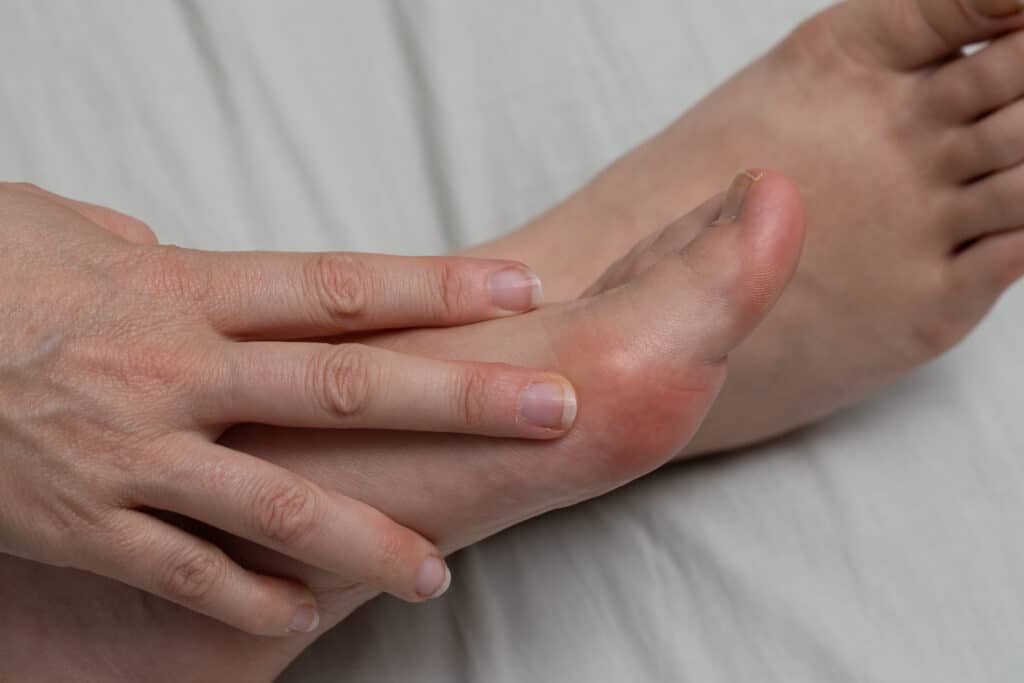
How Weight Gain Contributes to Heel Spurs
Increased Pressure on the Heel
Extra body weight increases the load on your plantar fascia and heel bone. Over time, this added pressure can cause micro-tears in the tissue, leading to inflammation and the eventual formation of heel spurs.
Overuse and Strain
Carrying extra weight forces your foot muscles, ligaments, and tendons to work harder. This overuse can result in inflammation, fatigue, and an increased risk of developing injuries such as heel spurs.
Impact on Foot Structure
Weight gain can also change the structure of your feet. Flat feet or fallen arches, which are more common in overweight individuals, can worsen stress on the heel and accelerate the development of heel spurs.
The Link Between Obesity and Foot Pain
Obesity as a Risk Factor for Heel Spurs
Obesity is one of the most significant risk factors for heel spurs. Constantly bearing extra weight puts continuous pressure on the heel and other foot structures, making it more likely for painful heel spurs to develop.
Other Foot Conditions Linked to Obesity
Weight gain can also contribute to other foot issues, including plantar fasciitis, Achilles tendonitis, and arthritis. These conditions often compound heel pain, creating a cycle of discomfort that can limit mobility and quality of life.
Increased Risk of Chronic Foot Pain
Individuals with a higher body mass index (BMI) are more likely to experience chronic foot pain. Heel spurs, combined with other weight-related conditions, can make daily activities like walking, standing, and exercising increasingly difficult.
How to Prevent Heel Spurs if You’re Overweight
Weight Management for Foot Health
Losing even a small amount of weight can relieve pressure on your feet and reduce the risk of developing heel spurs. Healthy weight management through diet, exercise, and lifestyle changes is a key factor in protecting your foot health.
Proper Footwear
Supportive shoes that are designed for your foot type, especially for those with flat feet or fallen arches, can help distribute weight evenly and reduce heel pain. Look for shoes with cushioned soles, arch support, and shock absorption.
Stretching and Strengthening Exercises
Targeted stretches for the plantar fascia and Achilles tendon can alleviate strain and prevent heel pain. Simple exercises, such as calf stretches and toe flexing, can help maintain flexibility and strength in the feet.
Orthotics and Foot Support
Custom orthotics can provide additional arch support, cushion the heel, and help absorb shock for individuals who are overweight. Orthotics are an effective tool to prevent heel spurs and reduce discomfort.
Non-Surgical Treatment Options for Heel Spurs Due to Weight Gain
Custom Orthotics
Tailored orthotics can provide extra support and cushioning, reducing pressure on the heel and improving overall foot mechanics, especially for patients with higher body weight.
Physical Therapy
Physical therapy strengthens foot muscles, improves flexibility, and reduces overall inflammation. A licensed therapist can guide you through exercises designed to relieve heel pain and prevent further complications.
Extracorporeal Magnetotransduction Therapy (EMTT)
EMTT is a non-invasive therapy that helps reduce inflammation and promotes healing in the heel without surgery. This treatment can be especially beneficial for overweight patients dealing with chronic heel pain.
Weight Loss Programs
Lifestyle modifications, including structured weight loss programs, can help relieve foot pressure over time. Working with a podiatrist and nutritionist ensures a safe and personalized approach to reducing heel pain.
How Kalamazoo Podiatry Can Help Manage Heel Spurs and Weight-Related Foot Pain
Comprehensive Foot Care for Overweight Patients
At Kalamazoo Podiatry, Dr. Terence Bredeweg and the team specialize in helping overweight patients manage foot pain and prevent conditions like heel spurs. Comprehensive care addresses both symptoms and underlying causes.
Personalized Treatment Plans
Every patient is unique. Custom treatment plans at Kalamazoo Podiatry consider your weight, foot structure, and lifestyle to provide effective solutions for preventing and treating heel spurs.
Ongoing Support for Foot Health
Regular checkups and treatment adjustments are key to maintaining foot health. Kalamazoo Podiatry encourages patients to prioritize their feet to reduce pain and improve mobility over the long term.
Conclusion: Protect Your Feet by Managing Your Weight
While heel spurs are often associated with excess weight, they are manageable and preventable. Weight management, supportive footwear, stretching, and early treatment can significantly reduce heel pain and protect your overall foot health.
Call to Action
Struggling with heel pain due to weight gain? Contact Kalamazoo Podiatry today to schedule a consultation with Dr. Terence Bredeweg. We can help you manage your weight-related foot pain and create a custom treatment plan. Call us at (269) 373-1019 or fill out our online contact form for more information.